

Last reviewed: 29 September 2026. SwimmingNearMe.sg is a Singapore swimming-lesson directory and enquiry service — see our editorial standards.
Plastic Pollution and Where You Swim: A Local Guide
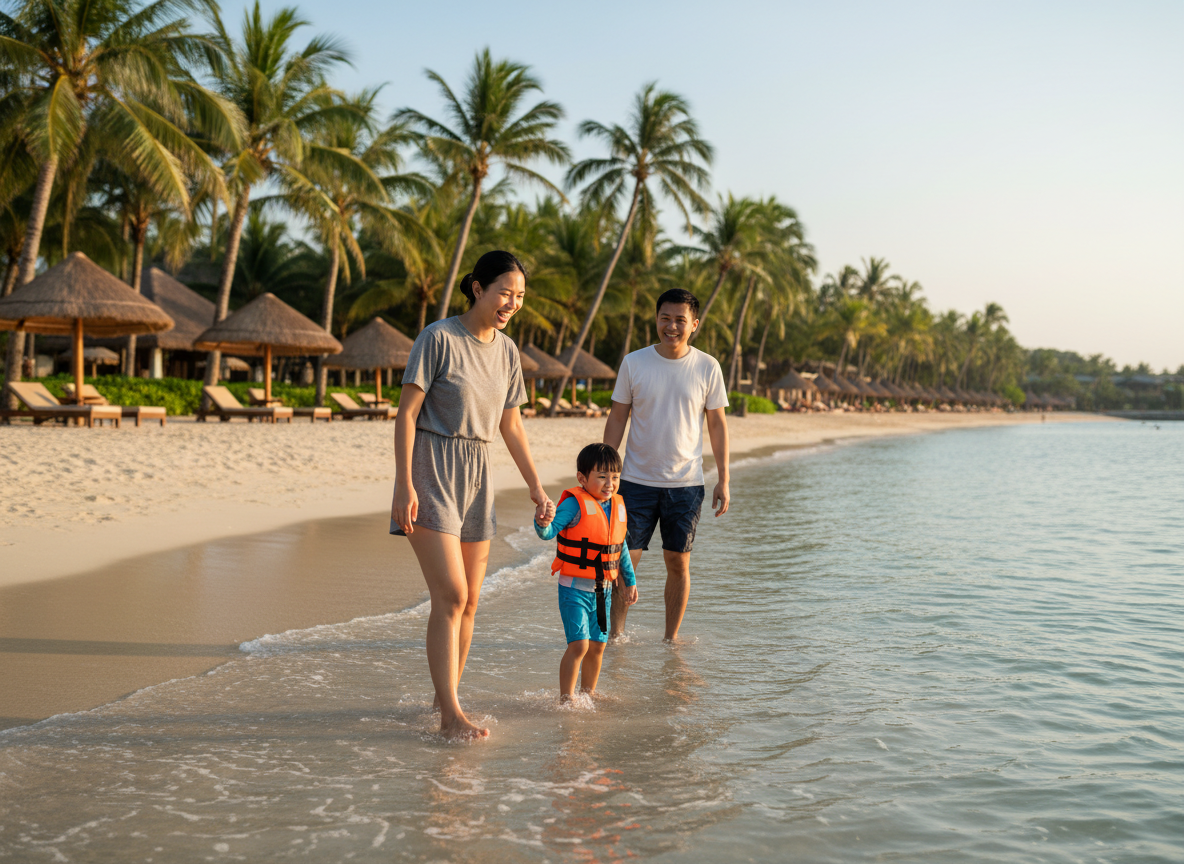
Plastic pollution reaches the beaches and open water many of us swim in, and after heavy rain the run-off that carries litter also carries bacteria — so the same conditions that make water look dirty can make it unsafe to swim. For swimmers, this isn’t a distant issue; it’s about the places you actually get in the water. Here’s what it means locally and what you can do.
Why Swimmers Should Care About Plastic Pollution

Litter on a beach is the visible problem, but it travels with other things you can’t see. Storm run-off washes plastic, and with it bacteria, into coastal water — which is exactly when open-water swimmers pick up stomach and skin infections. A chlorinated pool is controlled; the sea and reservoirs are not. Knowing this shapes when and where it’s sensible to swim.
Swimming Around It Sensibly
- Check advisories. Look up recent water-quality notices before an open-water swim.
- Wait after heavy rain. Give run-off a day or two to settle before swimming in the sea.
- Read the water. Visible debris, foam, discolouration or odour means stay out.
- Protect yourself. Don’t swallow the water, cover cuts, and rinse off afterwards.
- Prefer a clean, supervised pool when open water looks doubtful.
Pool vs Open Water
| Factor | Pool | Open water |
|---|---|---|
| Water quality | Controlled | Weather-dependent |
| Litter exposure | Minimal | Variable |
| Supervision | Lifeguarded | Often none |
| Best for beginners | Yes | No |
Small Habits That Add Up

- Carry out everything you bring to the pool or beach.
- Swap single-use bottles for a refillable one in your swim bag.
- Pick up a few pieces of litter when you leave the shore.
- Join a local beach clean-up now and then.
- Encourage kids to see the water as something worth protecting.
Safety First

Open water hides currents and sudden depth changes as well as pollution — never swim it alone, and learn the basics in a pool first. If the water looks or smells wrong, trust that and stay out; no swim is worth a gastro bug or worse. For beginners and children especially, a clean, lifeguarded pool is the right place to build skills before anyone ventures into open water.
Frequently Asked Questions
Can plastic pollution make swimmers sick?
Indirectly, yes. Run-off that carries litter also carries bacteria, and swallowing contaminated water or swimming with cuts can cause infections.
Is it safe to swim in the sea after rain?
Best to wait a day or two. Heavy rain raises pollution and bacteria in coastal water.
How do I know if a swimming spot is clean?
Check official advisories and trust your senses — debris, foam or a bad smell means don’t swim.
Are pools safer than open water?
For water quality and supervision, generally yes, which is why beginners should learn in a pool.
What can I do about plastic pollution as a swimmer?
Cut single-use plastic, carry out your litter, and join clean-ups. Small habits across many swimmers matter.
Should children swim in open water?
Only once they’re competent and always supervised. A clean pool is the place to build those skills first.
Learn in a clean, supervised pool first: find swimming lessons near you, local swimming course options, or private swimming lesson fees. Beach and water-activity info is on Sport Singapore.
How This Guide Was Prepared
This article was researched and compiled by the SwimmingNearMe.sg editorial team as part of our Singapore swimming-lesson directory. We link to official sources where relevant and note when a page was last reviewed, in line with our editorial standards. SwimmingNearMe.sg does not guarantee a specific coach, venue or outcome — get in touch to check current availability for the lesson type you need.

Leave a Reply